අතින් ගාපු පොල්
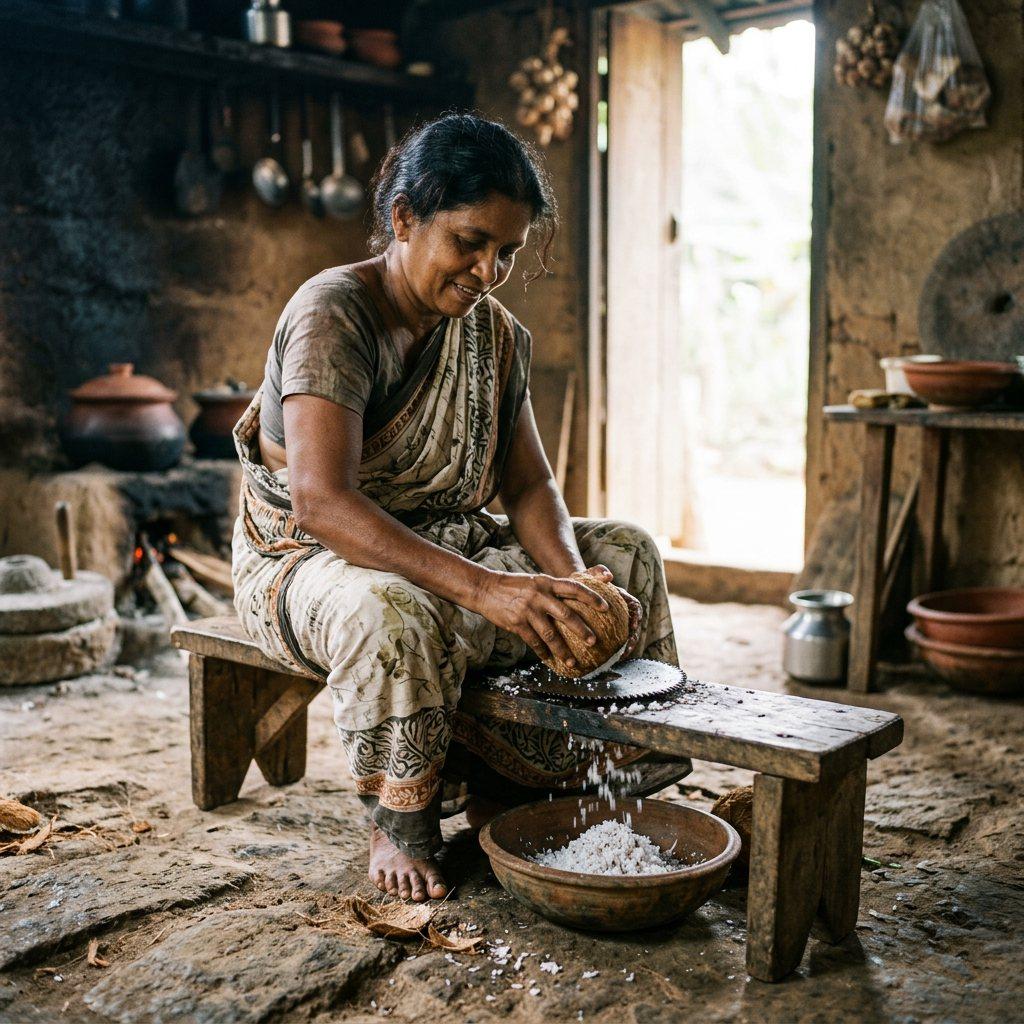
Fresh coconut, scraped by hand
Every morning starts with whole coconuts, scraped by hand on the hiramanaya. It is what gives our pol roti its sweetness and its rough, flaky bite.
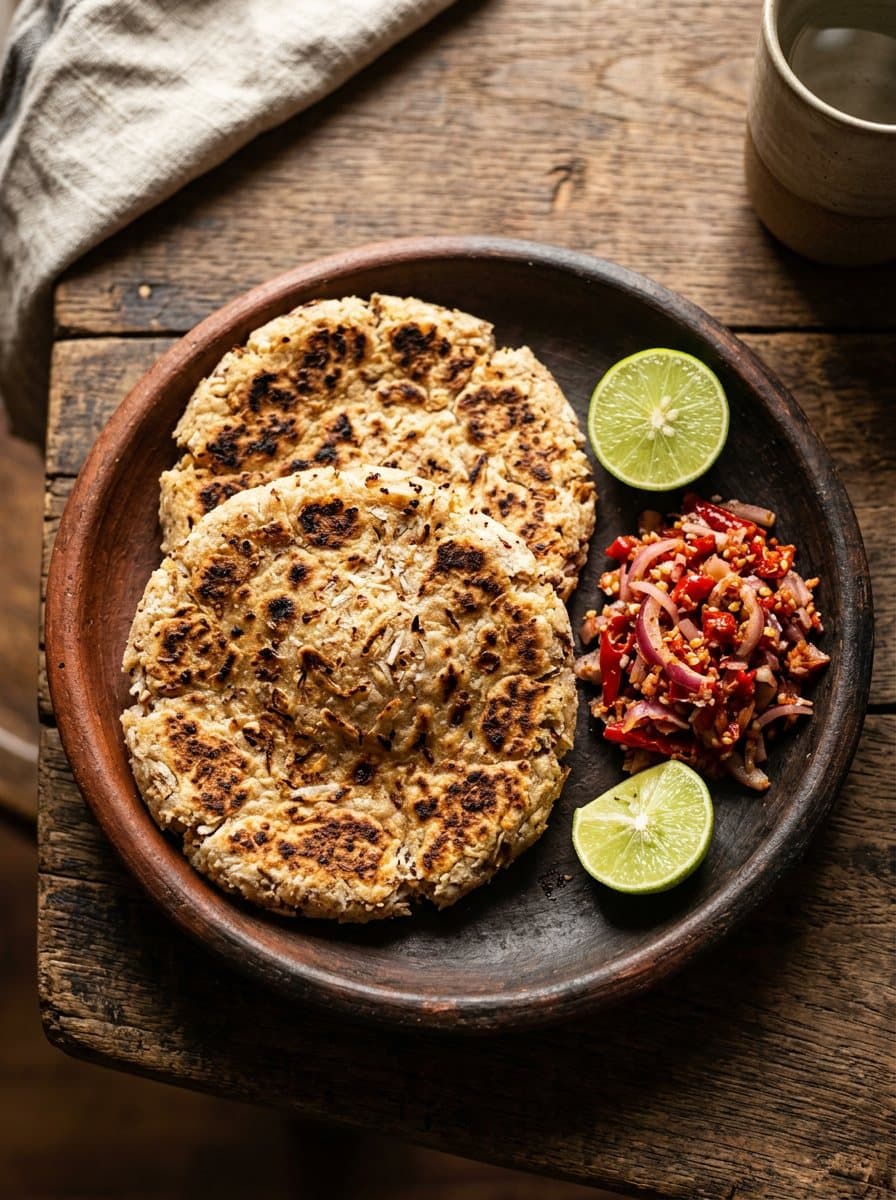
Pol roti hot off the iron griddle, with lunu miris ground fresh every morning. Sri Lankan home cooking, made the way our grandmothers made it.
Why people have been queuing for our pol roti since 1998.
Every morning starts with whole coconuts, scraped by hand on the hiramanaya. It is what gives our pol roti its sweetness and its rough, flaky bite.
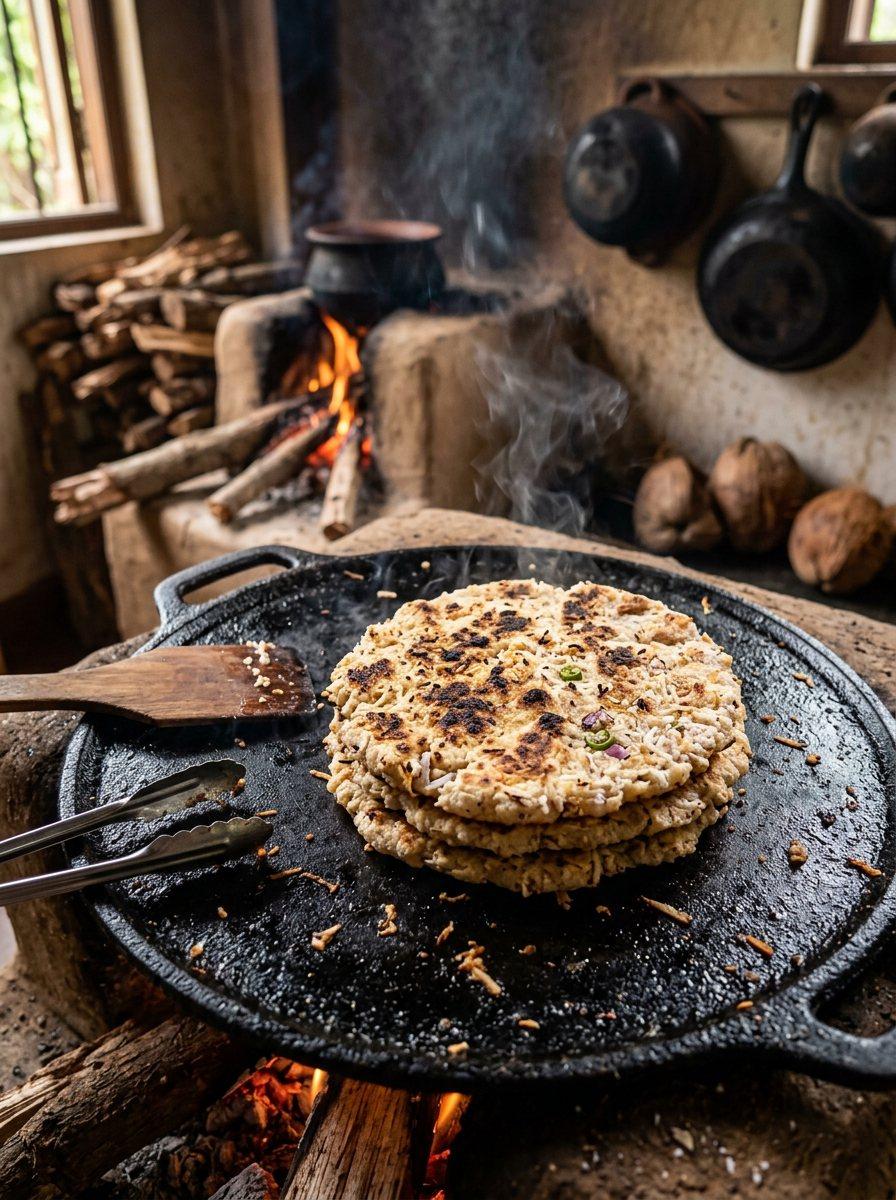
Red onion, green chilli and torn curry leaves are worked through by hand, so every bite has a little heat and fragrance.
Each roti goes onto a seasoned iron thachchiya over a wood fire, and comes off golden with brown spots.
Straight off the griddle with stone-ground lunu miris and a wedge of lime. In the morning, add a cup of kiri tea.
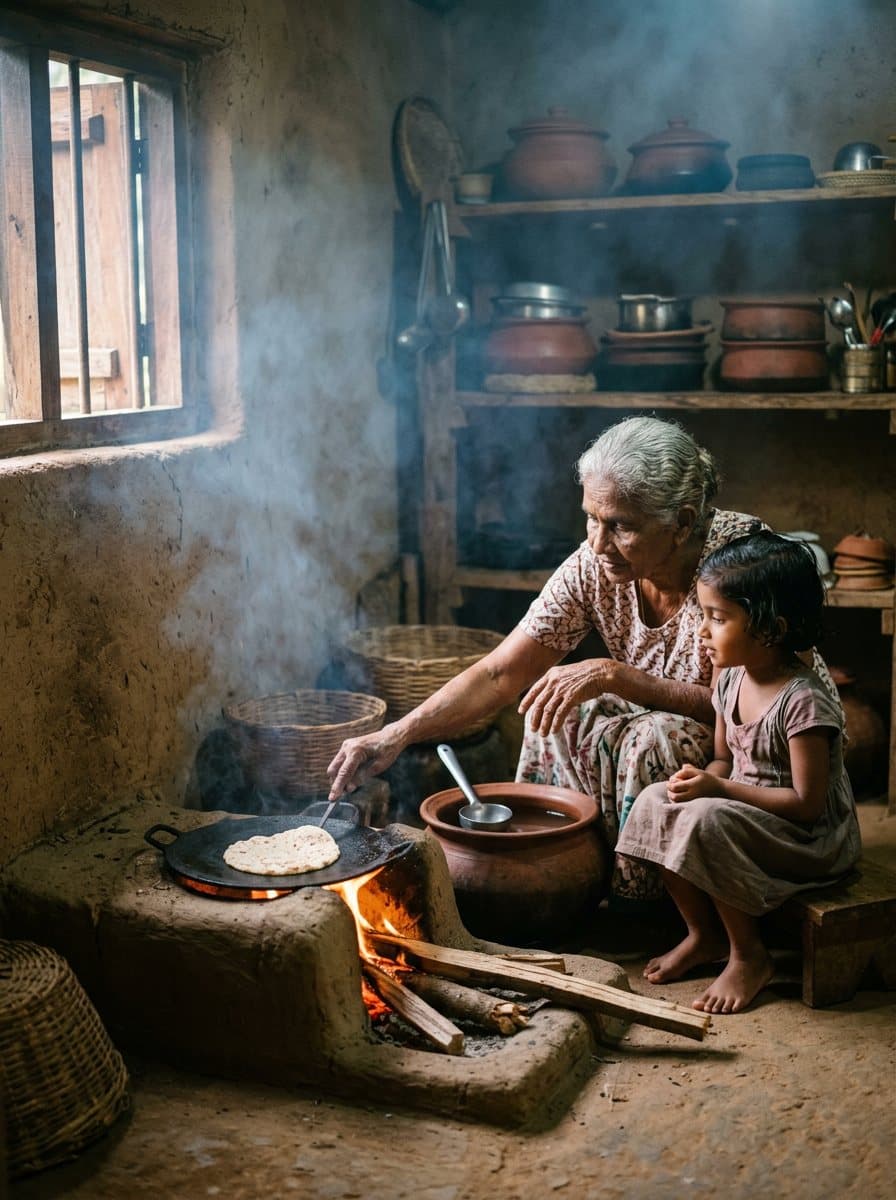
Lunu Mirisa began in 1998 as a small roti stall on Galle Road. Amma made the dough before sunrise, Appachchi kept the wood fire going, and the queue for pol roti and lunu miris reached the bus stop by seven.
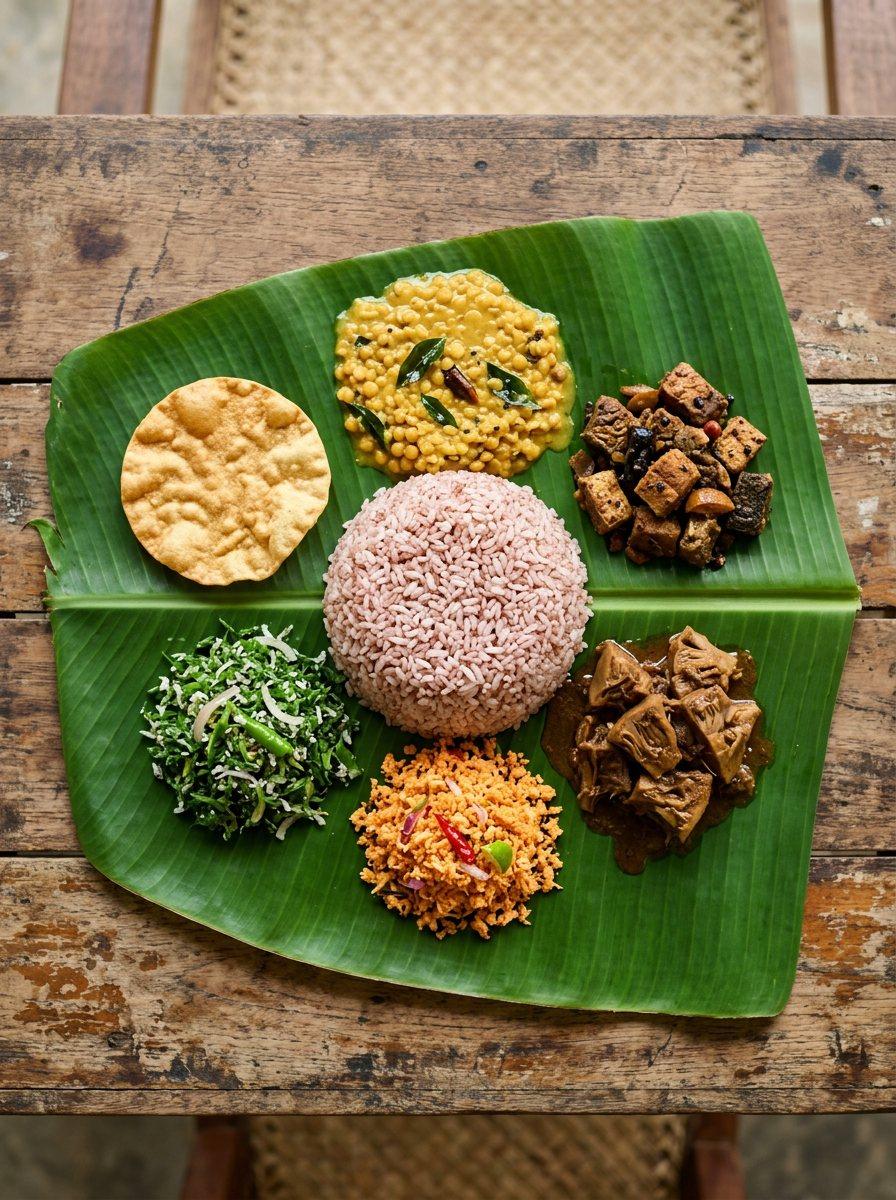
We still scrape our coconuts by hand, grind our sambol on a stone, and cook on a seasoned iron thachchiya. The menu has grown to the dishes we grew up eating at home, from string hoppers to fish ambul thiyal.
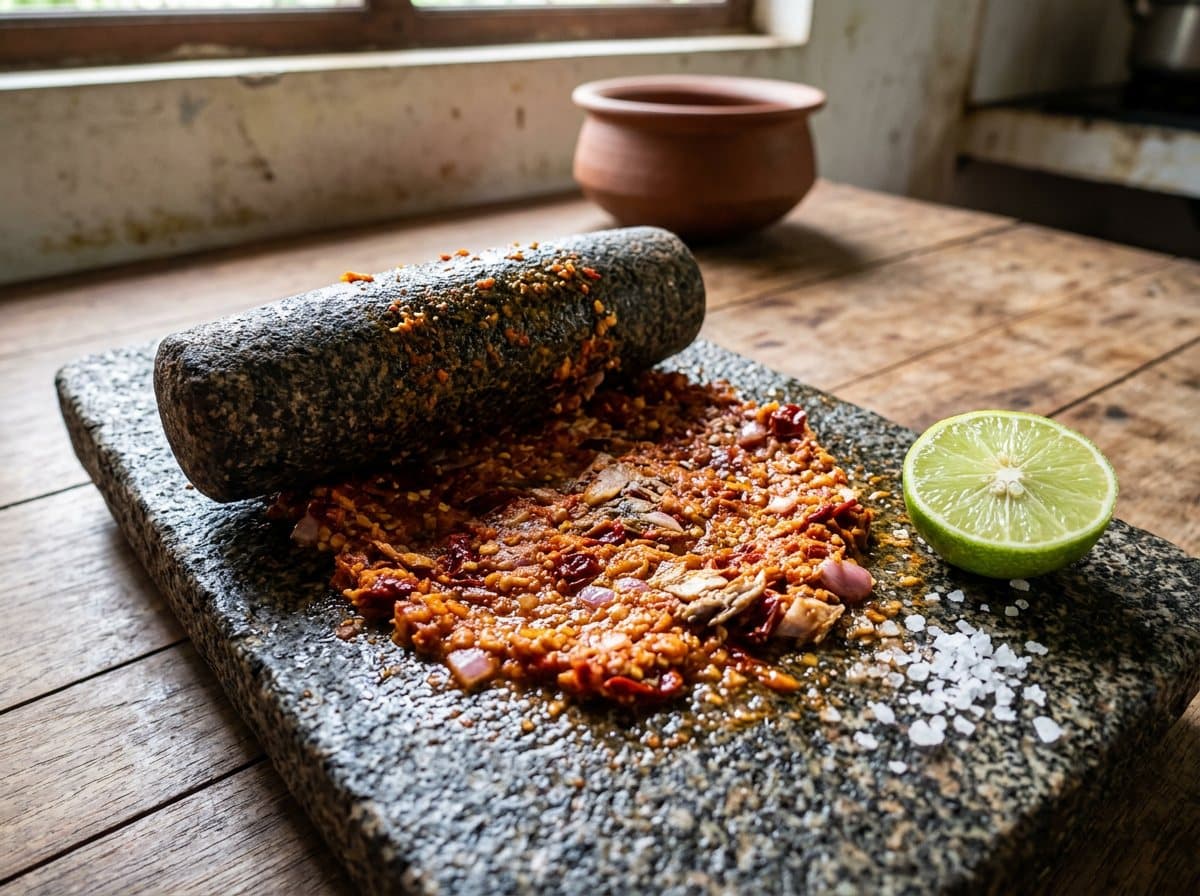
The name means “salt and chilli”. Our fiery, sour sambol is the classic partner to pol roti, kiribath and hoppers. We grind it every morning on a granite miris gala, which keeps the onion coarse and juicy in a way a blender cannot.

The pol roti is exactly how my aachchi made it, crisp outside and soft inside. The lunu miris is properly hot.
We came for breakfast and stayed for lunch. The fish ambul thiyal was the best I had on the whole trip.
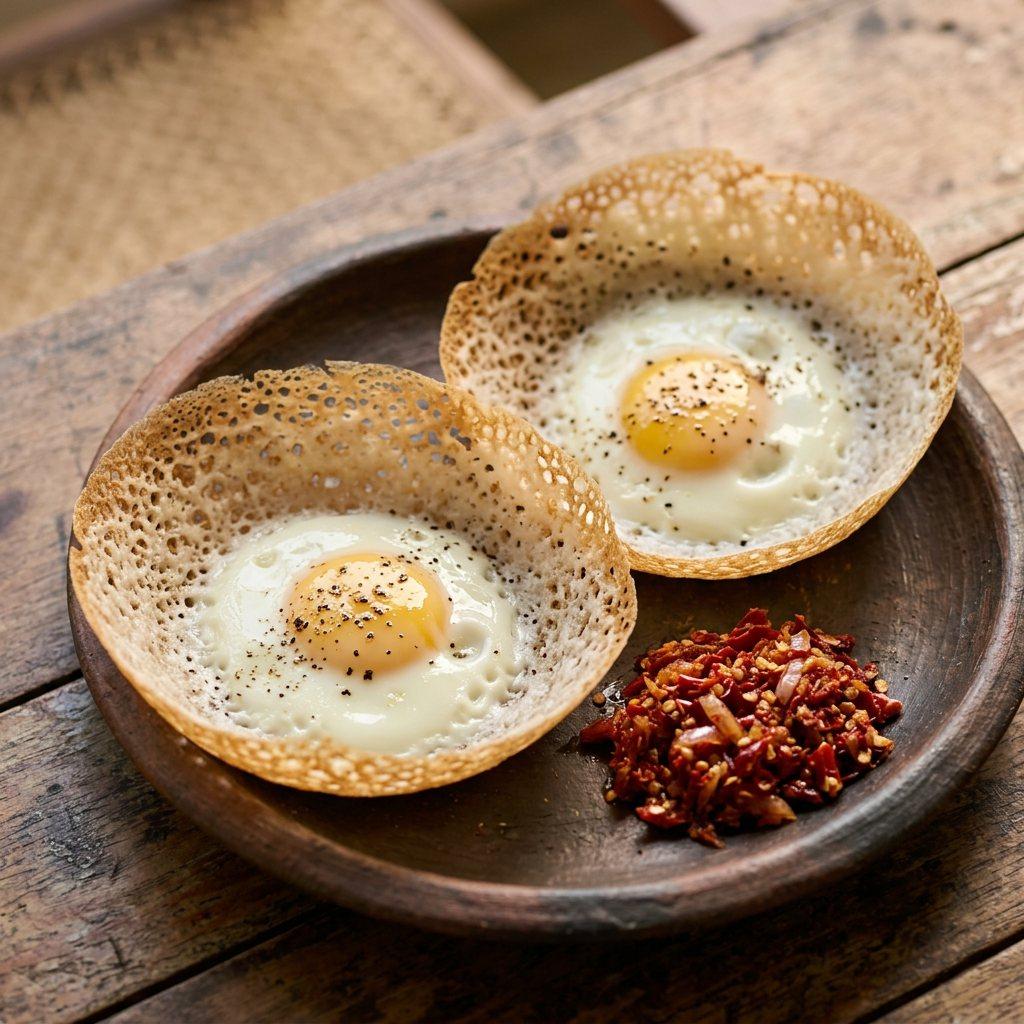
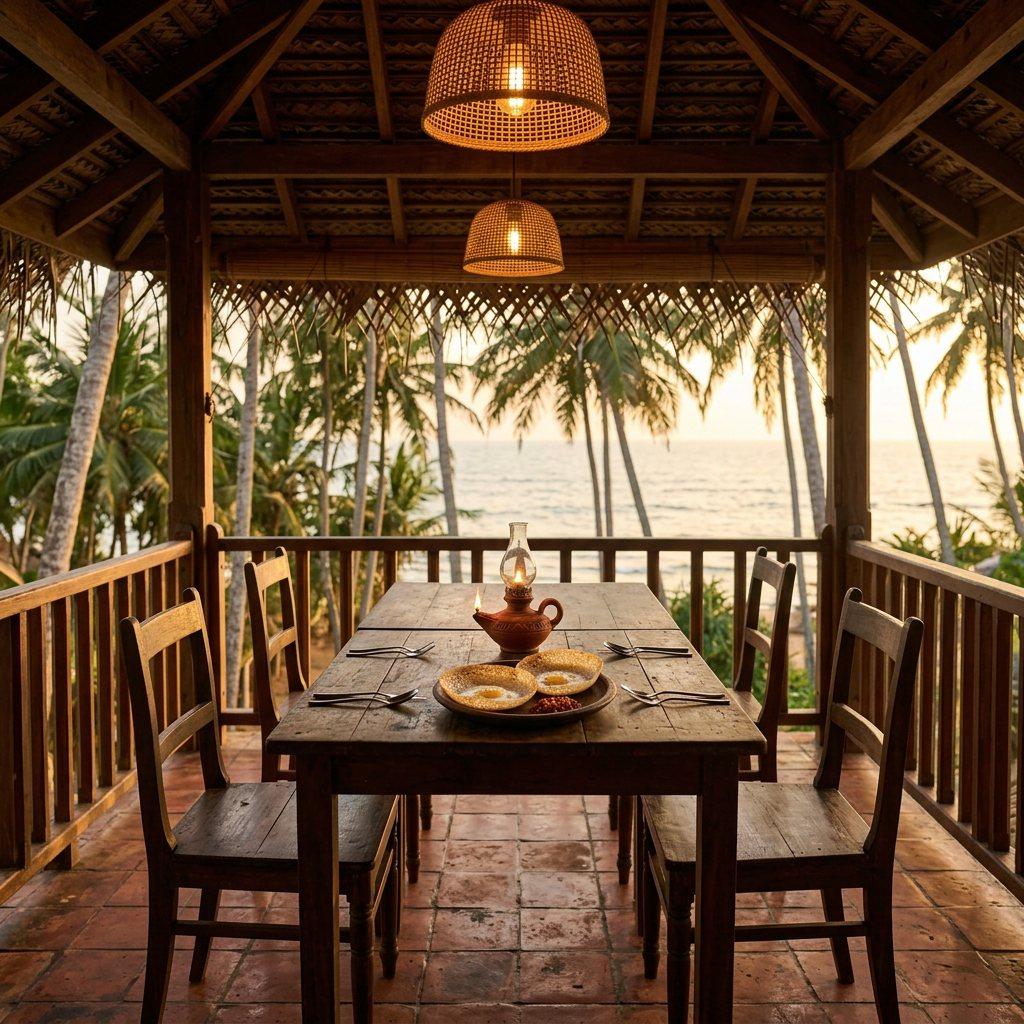
Sit by the griddle and watch them make the roti. Kiri tea, egg hoppers, sea breeze. Perfect Sunday.